About our Department
Our research
About new emerging viral infections
Viral infections like Ebola, MERS, SARS and Zika continue to be among the leading causes of illness and death across the world. They threaten the health of the global population if they are not rapidly detected and contained.
Besides known viruses, new viruses continue to emerge due to rapid demographic changes over the past decades, as well as globalization of travel and trade. SARS-CoV-2 is a recent example. The last COVID-19 pandemic showed the devastating impact emerging zoonotic diseases can have on societies.
Understanding how the epidemic began is essential to prevent further SARS-CoV-2 virus introductions and will help prevent introductions of new viruses in the future. It could also potentially assist with the development of treatments and vaccines. Identifying the origin of a virus, however, is a complex task, which requires strong international and multi-sectoral collaboration, and a commitment to leverage expertise, capacity, and work globally.
Besides being highly involved in this part of the global scientific research on SARS-CoV-2, The Department of Viroscience of the Erasmus MC is also executing research on many other aspects of SARS-CoV-2.
The Department of Viroscience of the Erasmus MC
is an international centre of excellence for multidisciplinary, basic, translational and clinical research of viruses and virus infections at the molecular, patient and population level. The unique aspect of the Department of Viroscience is its translational approach, with expertise ranging from basic virology to clinical virology, connecting medical and veterinary health, public health and ecology. By combining these complementary areas of expertise The Department of Viroscience is able to meet today's and tomorrow's societal challenges in diseases caused by common and newly emerging viruses.
The Department of Viroscience is Reference Centre for:
- WHO Collaborating Centre for Arbovirus and Haemorrhagic Fever Reference and Research
- WHO National Reference Laboratory Centre - Measles & Rubella
- National Reference Centre for Influenza and Emerging Infections in The Netherlands
Professor Marion Koopmans, former head of the Department of Viroscience, is also part of the international team of the current WHO-convened Global Study of the Origins of SARS-CoV-2 China studies (November 2020).
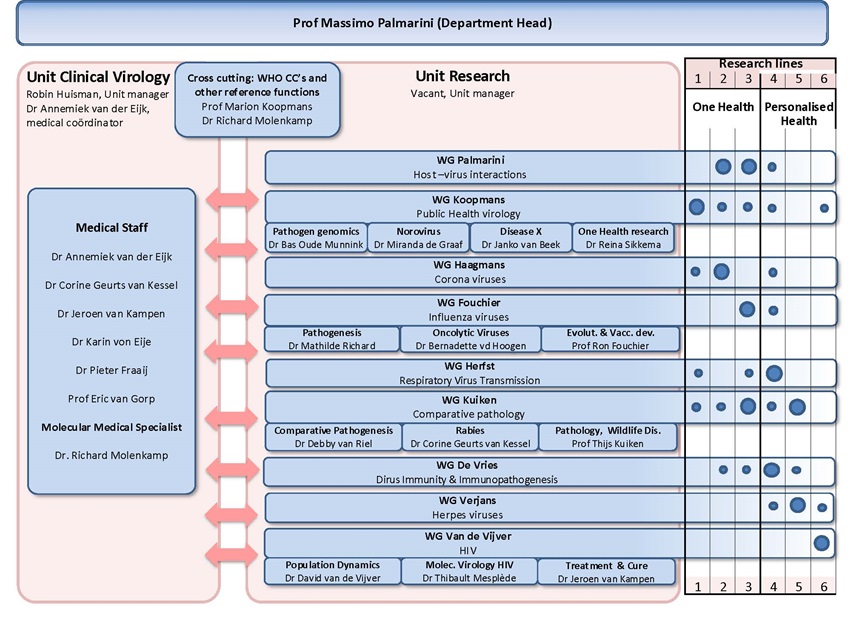
See below for our organogram.
Global impact of the department of Viroscience
- Global scientific cooperation SARS-CoV-2
- Discovery of the human metapneumovirus, MERS-CoV and others
- The identification of camels as the reservoir for MERS-CoV
- Basic insights into how avian influenza viruses and other zoonoses cause diseases in humans
- Unravelling how avian influenza viruses can become transmissible for humans
- Discovery of mechanism of norovirus evolution and its impact on population health
- Support to WHO as collaborating centre for emerging viral infections
- And many more
Reference Centers
The Department of Virology of the Erasmus MC is:
- WHO Collaborating Centre for Arbovirus and Haemorrhagic Fever Reference and Research
- WHO National Reference Laboratory Centre - Measles & Rubella
- National Reference Centre for Influenza and Emerging Infections in The Netherlands
1. WHO Collaborating Centre for Arbovirus and Haemorrhagic Fever Reference and Research
Main activity of the Department of Virology (Viroscience) of the Erasmus MC as WHO Collaborating Centre is to support outbreak response operations during outbreaks of Emerging and Dangerous Pathogens coordinated by WHO. Examples of this are the contributions of the department in identifying the cause of SARS and MERS coronavirus, the studies unraveling the role of camels as sources MERS COV, support in investigations of Zika virus in Surinam and Brazil, and the operation of mobile laboratories during the Ebola outbreak in West Africa.
The Department of Virology (Viroscience) uses classical and newly developed state-of-the-art technology to identify known or new viral pathogens. This is possible because the Department of Virology has a wide-array of serological and molecular tests to identify known pathogens. Random priming sequencing technology is also available for unknown agents.
During response operations to outbreaks of Emerging and Dangerous Pathogens coordinated by WHO, the Department of Virology will be contacted by WHO to provide onsite laboratory diagnostic support with staff and equipment when possible. The field deployment of lab equipment or staff will be coordinated with WHO and partners involved in control operations. Depending on incriminated pathogen, the Department of Virology will provide lab diagnostic technology to rapidly, safely and accurately diagnose patient and support Surveillance, Case management and research projects.
The Department of Virology also provides technical support to National laboratories by providing (in limited quantities) reagents and diagnostic methods to national reference laboratories.
The Department of Virology (Viroscience) is WHO Collaborating Centre regarding Viral infections on the following terms of reference:
- To cooperate with WHO in its function of alert and response to outbreaks of Emerging and Dangerous Pathogens of international importance, including outbreaks of Arboviruses, Viral Haemorrhagic Fevers and novel and emerging infectious diseases.
- Support WHO in the early diagnosis, rapid identification and characterization of high-risk pathogens specimens submitted through WHO, keeping the results confidential, if so required.
- During response operations to outbreaks of Emerging and Dangerous Pathogens coordinated by WHO, to assist with epidemiological surveys carried out under the responsibility of WHO by providing personnel and/or equipment when possible.
- During response operations to outbreaks of Emerging and Dangerous Pathogens coordinated by WHO, to provide onsite laboratory diagnostic support with staff and equipment when possible.
- Provide technical support to the national laboratories involved in epidemiological and laboratory investigations during Emerging Infectious Diseases outbreak responses.
- To inform WHO of any epidemiological or laboratory finding that would be in conjunction with a risk of transmission of a severe disease of international concern: Arboviruses, Viral Haemorrhagic Fevers and novel and emerging infectious diseases.
2. WHO National Reference Laboratory Centre - Measles & Rubella
The Department of Virology (Viroscience) of the Erasmus MC is accredited as National Reference Laboratory for Measles and Rubella, as part of the WHO European Measles and Rubella Laboratory Network. This responsibility is shared with the National Institute of Public Health and the Environment, Center for Infectious Disease research, Diagnostics and Screening. The objective of the laboratory network is to document and verify elimination of measles and rubella from the WHO European Region, based on procedures developed for certification of the global eradication of smallpox and poliomyelitis.
Measles, rubella and congenital rubella syndrome are preventable through immunization. The diseases are important causes of global morbidity and mortality. All countries in the WHO European Region include highly effective and safe measles and rubella vaccines in their vaccination program. However, due to persistent gaps in immunization coverage outbreaks of measles and rubella continue to occur.
The WHO National Reference Laboratories have two main responsibilities:
- Case-based laboratory diagnosis of suspected measles and rubella cases, and reporting of confirmed cases to the surveillance system;
- Genotyping of measles and rubella viruses, and reporting viral sequences to the surveillance systems MeaNS and RubeNS.
All WHO regions have elimination goals for measles and rubella. The criteria for the verification of measles elimination are documentation of the interruption of endemic measles and rubella for a period of more than 36 months in the presence of an adequate surveillance system that can detect import-related cases. This must be supplemented with genotyping data that support the interruption of endemic transmission.
These efforts should eventually lead to the ultimate goal of global eradication of measles and rubella.
3. National Reference Centre for Influenza and Emerging Infections in The Netherlands
The Department of Virology (Viroscience) is National Reference Centre for Influenza and Emerging Infections in the Netherlands.
Influenza surveillance Newsletters
You can find the Influenza Newsletters (in DUTCH): here
Want to sign up for the Infuenza surveillance nieuwsbrieven? Please, send an e-mail to: nic@erasmusmc.nl ( in DUTCH)
Research Lines
Our research program has two main pillars:
1: One health
As a result of world-wide changes in climate, land use, and animal management, there is an increased risk of zoonotic viruses crossing the species barrier, adapting to the human host, and gaining human-to-human transmissibility, resulting in novel epidemics or pandemics. The main goal of this research pillar is to provide the basic, translational and clinical research needed to develop evidence-based detection, prevention, treatment and intervention strategies against zoonotic viruses with potential to cause epidemics and pandemics.- Research line 1
Emerging Infectious disease research preparedness and response in a One Health context. - Research line 2
Emerging disease (immune)pathogenesis, and medical countermeasures. - Research line 3
Influenza virus ecology, evolution, pathogenesis, and public health impact
2: Personalised health
Due to major demographic changes in our population, the group of high-risk patients (elderly, immuno-compromised, patients with complex co-morbidities, prematurely born children) is increasing, resulting in an increased burden of disease due to acute and chronic infections with a range of viruses. The main goal of this pillar is to improve detection, prevention and intervention strategies against such virus infections at the patient level.
- Research line 4
Immunopathogenesis of paramyxoviruses and pneumoviruses - Research line 5
NeuroImmune Biology of Virus Infections (NIMBUS) - Research line 6
The pathogenesis, prevention and treatment of chronic viral infections.
Principal Investigators & Postdocs
Principal Investigators
-

Prof. M. (Massimo) Palmarini
Head of the Erasmus MC Department of Viroscience and Principal Investigator
-

Prof. M. (Marion) Koopmans
Professor of Public Health Virology and Scientific Director of the Pandemic & Disaster Preparedness Center
-

Prof. R.A.M. (Ron) Fouchier
Deputy Head of the Erasmus MC department of Viroscience
-

Prof. E.C.M. (Eric) van Gorp
Professor of Medicine
-

T. (Thijs) Kuiken
Professor of Comparative Pathology
-

L. (Lisa) Bauer
Assistant Professor
-

A.A. (Annemiek) van der Eijk
researcher, medical coördinator clinical virology
-

M. (Michiel) van Gent
Assistant Professor
-

Dr. C.H. (Corine) Geurts van Kessel
-

Dr. M. (Miranda) de Graaf
Associate professor
-

Dr. B. L. (Bart) Haagmans
Associate Professor
-

Prof. V.H. (Vanessa) Herder
Assistant Professor
-

Prof. Dr. S. (Sander) Herfst
Respiratory Virus Transmission
-

B. (Bernadette) van den Hoogen, PhD
Associate Professor
-

J.J.A. van Kampen
researcher, clinical virologist
-

Ass. Prof. T.R.V.C. (Thibault) Mesplède
Workgroup Leader HIV
-

Dr. R. (Richard) Molenkamp
clinical molecular virologist
-

Dr. G. P. (Gijsbert) van Nierop
Researcher
-

Dr. B. B. (Bas) Oude Munnink
Assistant Professor
-

Dr. W.J.D. (Werner) Ouwendijk
Assistant professor
-

Dr. M. (Mathilde) Richard
Associate Professor
-

Dr. D. A. J. (Debby) van Riel
Associate Professor
-

Dr. B.H.G. (Barry) Rockx
Assistant Professor
-

Dr. R.S. (Reina) Sikkema
Assistant Professor
-

Dr. R. L. (Rik) de Swart
Associate Professor
-
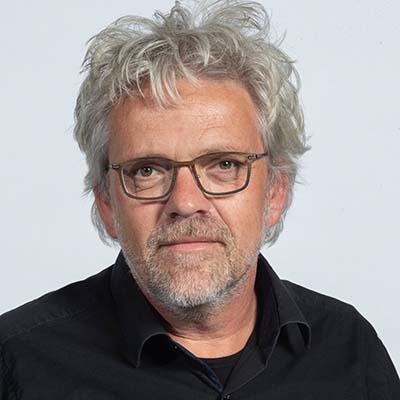
Dr. G. M. G. M. (Georges) Verjans
Associate Professor
-

Dr. R. (Rory) de Vries
Associate Professor
-

Dr. D.A.M.C. (David) van de Vijver
Associate professor
Postdocs
-

Dr. L. (Lineke) Begeman, DVM, Dipl of ECVP
Veterinary pathologist, researcher
-

Dr. C. W. E. (Carmen) Embregts
Researcher
-

Dr. W. (Wilhelm) Furnon
Postdoctoral Researcher
-
Prof. V.H. (Vanessa) Herder
Assistant Professor
-

C.M.H. (Cora) Holicki
Postdoctoral Researcher
-

Dr. Zs. (Zsofia) Igloi
Researcher
-

Dr. D.F. (David) Nieuwenhuijse
Postdoc
-

M.R. (Melanie) Rissmann
Postdoctoral Researcher
-

L.P. (Leonard) Schuele
Junior Postdoc
-

Dr. L.M. (Luca) Zaeck
Postdoctoral Researcher
-

Dr. J. (Tami) Zhang
Postdoctoral researcher
-

Dr. F.F. (Fabien) Filaire
Postdoctoral Researcher
-

E. (Ecco) Staller
Researcher
-

E.N. (Erin) Frame
Postdoctoral researcher
-

K. (Kiki) Streng, PhD
Postdoctoral Researcher
-

P.A. (Pauline) de Best
Postdoc
-

Dr. T. (Tessa) Nelemans
Postdoctoral researcher
Research Groups
HerpeslabNL
The aim of the Herpesvirus Lab is to elucidate the virus-host interactions involved in the immune control and pathogenesis of herpesvirus infections in humans.
Comparative Pathology / Wildlife Group
Our goal is to gain thorough knowledge of the pathogenesis, immune response, and epidemiology of viral diseases in people and animals, out of scientific curiosity but also to improve prevention, diagnosis and treatment. As part of this we aim for transformative changes of society to reduce the drivers for emergence of viral diseases.
Projects
- APPEAL
- BY-COVID
- CEIRR
- CEPI MERS vaccin
- DURABLE
- Dutch Covid & Trombosis Coalition
- ECRAID-Base
- EVA-GLOBAL
- EVORA
- GlycoNovi
- GREAT-LIFE
- HERA EU4Health
- HEU NAVIPP
- HEU REFINE
- ID Alert
- ISIDORE -EDC
- Isolda
- JUA KIVU
- KappaFlu
- MPX-RESPONSE
- NIH BRC Pathogen Data Hub Network
- NIH HIV DTG / NIH Cure
- NIH Covid Ferret
- NIH Covid Hamster
- NOSEVAC
- One Health PACT
- PDPC (frontrunner 1, 2 and 5)
- RIVM - ECDC Surveillance
- RIVM Flu Research
- Simon Stevin
- VEO
- Viruses in the night
- VIVACE
- ZonMw Pandemic Preparedness Kickstart
- ZonMw Pandemic preparedness Round 2





Notable results
Societal relevance results
- Discovery of the human metapneumovirus, MERS CoV, and others.
- The identification of camels as the reservoir for MERS CoV.
- Basic insights into how avian influenza viruses and other zoonoses cause diseases in humans.
- Unravelling how avian influenza viruses can become transmissible for humans.
- Discovery of mechanism of norovirus evolution and its impact on population health.
- Support to WHO as collaborating centre for emerging viral infections.
Collaboration
ECO Health Alliance - The Department of Virology is partner in the Eco Health Alliance.
NCOH - The Department of Viroscience is one of the founding partners of NCOH, in addition to Utrecht University, Wageningen University & Research Centre, University Medical Center Utrecht and Academic Medical Centre Amsterdam.
NORONET - The Department of Virology of the Erasmus MC is partner of NoroNet., an informal network of scientists working in public health institutes or universities sharing virological, epidemiological and molecular data on the norovirus.
OVIT Consortium - De OVIT consortium is a Dutch consortium focused on delivering effective solutions in pancreatic cancer; a multidisciplinary team that includes virologists, paediatric oncologists and neurosurgeons from Erasmus MC, LUMC and UMC Utrecht.
RODIN - Regional Rotterdam Infectious Diseases Network
ROST - The Rotterdam-Rijnmond Public Health Service, the Viroscience Department of Erasmus MC and the Pandemic Disaster and Preparedness Centre (PDPC) have been working closely together within the Rotterdam Outbreak Study Team (ROST) since 2020. ROST's primary goal is to conduct joint scientific research on public health and infectious disease control in the Rotterdam region, both in current outbreaks and potential threats.
